
1. Materials Cost Overview
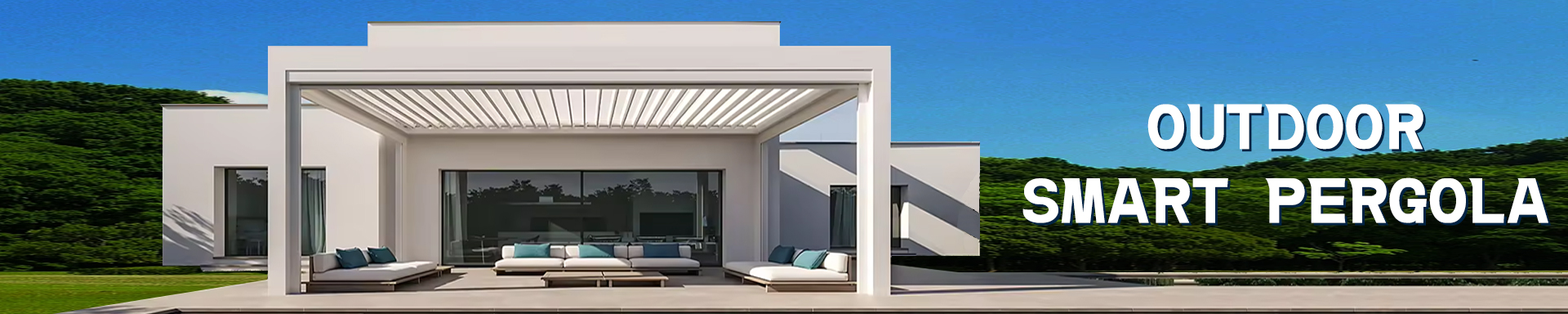
Selecting the right materials for a motorized pergola is crucial because it directly affects both durability and cost. High-quality materials ensure that your pergola withstands weather variations while maintaining a sleek aesthetic. Among the most popular options are aluminum, wood, and composite materials, each offering different pricing ranges, maintenance needs, and longevity. For instance, a modern Aluminum motorized pergola provides excellent corrosion resistance and minimal upkeep, making it a long-term investment for outdoor spaces.
1.1 Aluminum vs. Wood vs. Composite Materials
Choosing between aluminum, wood, or composite is often the first cost decision. Aluminum is lightweight, rust-resistant, and compatible with automated systems, typically ranging between $1,500–$4,500 for standard sizes. Wood, such as cedar or redwood, brings a natural look but requires frequent sealing, costing $1,200–$3,500. Composite materials offer a balance, combining wood aesthetics with low maintenance, priced around $1,800–$4,000.
| Material | Average Cost (Standard Size) | Maintenance | Durability | Notes |
|---|---|---|---|---|
| Aluminum | $1,500–$4,500 | Low | High | Corrosion-resistant, ideal for automated pergolas |
| Wood | $1,200–$3,500 | High | Medium | Natural look, requires sealing and periodic treatment |
| Composite | $1,800–$4,000 | Medium | High | Blends aesthetics and durability, less maintenance than wood |
1.2 Roof Options: Louvered, Retractable, or Solid Panels
The roofing system contributes significantly to material costs. Louvered pergolas offer adjustable shade and ventilation, making them highly versatile and compatible with motorized systems. Retractable pergolas allow full coverage when needed, often combined with aluminum or composite frames, balancing flexibility and cost. Solid panels provide fixed shade and weather protection but add structural weight and can increase both material and installation expenses. Roof selection affects long-term comfort and energy efficiency, so choosing a system that fits your climate and use is key.
1.3 Hardware and Fasteners Costs
Beyond frames and roofs, quality hardware and fasteners ensure your motorized pergola stays secure. Components include stainless steel bolts, brackets, motor mounts, and sliding tracks for retractable systems. On average, hardware costs range from $200–$600 depending on the pergola size and roof type. Proper selection prevents rusting and misalignment, extending the life of both the frame and the motorized system. Investing in high-grade fasteners pays off with fewer repairs and smoother operation of your automated pergola or retractable roof.
2. Motor and Automation Expenses
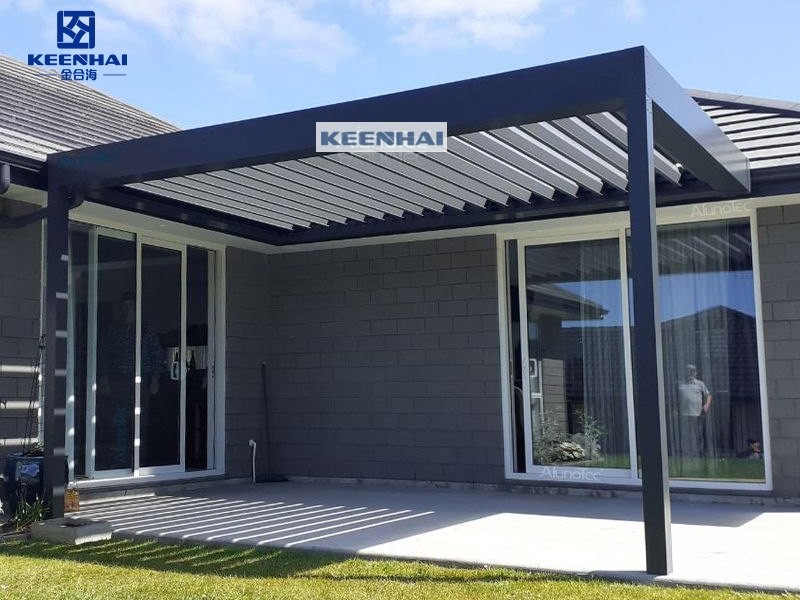
The motor and automation system forms the heart of a motorized pergola, dictating not only convenience but also overall cost. High-quality motors ensure smooth operation, long lifespan, and quiet performance. Investing in a premium motor reduces the likelihood of early replacements and minimizes maintenance costs over time. When selecting your system, consider compatibility with your pergola structure, as certain motors work better with aluminum or louvered pergolas, which provide consistent load support.
2.1 Motor Quality and Brand Considerations
Not all motors are created equal. Premium brands offer durable, weather-resistant motors rated for thousands of cycles, while generic options may fail after a few seasons. Price ranges for reliable motors typically span $400–$1,200, depending on torque capacity and speed. When choosing a motor, check for:
-
Torque rating sufficient for your pergola size
-
Quiet operation levels under load
-
IP-rated waterproofing for outdoor exposure
-
Warranty coverage and brand reputation
Using a trusted motor brand can drastically reduce repair costs and ensure consistent performance, especially for high-end setups like aluminum automated pergola.
2.2 Control Systems: Remote, App, or Smart Home Integration
Automation control adds both functionality and cost. Remote-controlled systems cost between $150–$400, app-based solutions can range $300–$700, and full smart home integration may add $500–$1,200, depending on system complexity. Consider these steps for installation:
-
Verify your power source and voltage compatibility
-
Connect motor, receiver, and control module following manufacturer guidelines
-
Test connectivity and response times for each control method
Modern retractable roof pergolas benefit from app integration that allows scheduling, shade adjustments, and even weather-based automated responses, adding convenience without compromising durability.
2.3 Maintenance Impact on Automation Costs
Routine maintenance directly influences the lifetime cost of motorized pergolas. Motors require lubrication, inspection of wiring, and occasional firmware updates. Neglecting these tasks can lead to unexpected replacements costing $300–$700. To maintain low automation costs:
-
Inspect and clean tracks or louver hinges every 3–6 months
-
Test motor function under load to detect early issues
-
Replace worn fasteners or brackets promptly to prevent stress on the motor
Proper upkeep ensures that your automated pergola, whether louvered or retractable, remains smooth, safe, and cost-efficient for years.
3. Installation Cost Factors
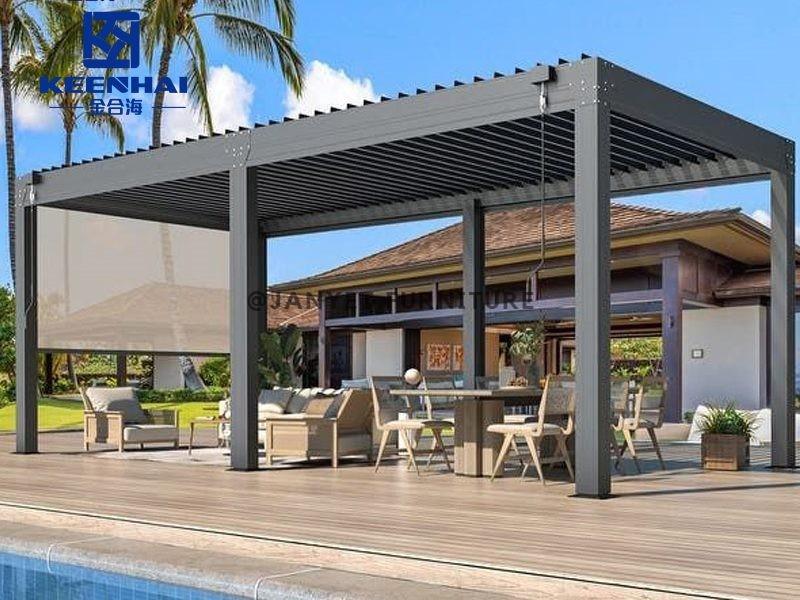
Installation represents a significant portion of a motorized pergola’s total expense. Costs vary depending on whether you choose DIY assembly or hire professionals, the complexity of the site, and regional labor rates. Investing in proper installation ensures longevity and smooth motor operation, avoiding costly repairs. Every pergola type, from aluminum automated pergolas to louvered pergolas, demands precise alignment, structural stability, and correct motor calibration to function properly.
3.1 DIY Installation vs. Professional Installation
DIY installation can save money, typically between $500–$1,500, but it requires time, careful planning, and technical skill. Most homeowners follow these steps:
-
Unbox components and verify all hardware
-
Assemble the frame using level and measuring tools
-
Install the motor and connect controls according to manufacturer instructions
-
Test the system for smooth louver or roof movement
Professional installation ranges from $1,500–$3,500 depending on complexity. Certified installers ensure proper anchoring, precise leveling, and optimal motor calibration, reducing long-term maintenance needs. For aluminum automated pergolas, professional setup can be particularly advantageous due to precise tolerances required for smooth operation.
3.2 Labor Rates by Region
Labor costs fluctuate widely based on location. Urban areas with higher living expenses generally have labor rates 20–40% higher than suburban or rural regions. Here’s a typical comparison for professional pergola installation:
| Region | Average Labor Rate (per hour) | Estimated Total Installation Cost |
|---|---|---|
| Urban City | $75–$120 | $2,000–$3,500 |
| Suburban Area | $50–$90 | $1,500–$2,800 |
| Rural Area | $40–$70 | $1,200–$2,000 |
Adjustments may occur if the site has slopes, uneven terrain, or accessibility challenges, which is common when preparing for a retractable roof pergola or other motorized patio covers.
3.3 Site Preparation and Groundwork Requirements
Site preparation impacts installation costs significantly. Uneven ground, poor drainage, or lack of solid foundation increases time and labor required. Key steps include:
-
Leveling the site using a laser level or transit tool
-
Pouring concrete pads or footings as needed for secure post anchoring
-
Ensuring proper drainage around the perimeter to avoid water pooling
-
Routing electrical wiring for motor and automation systems
Proper groundwork ensures that your louvered pergola or automated pergola operates smoothly for years, preventing structural stress and minimizing repair costs over time.
4. Optional Add-ons and Accessories
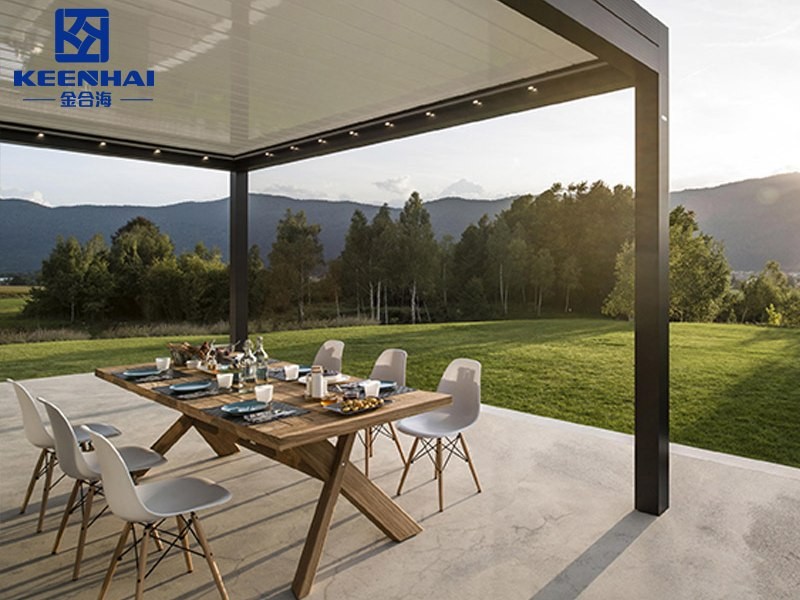
Optional add-ons and accessories can significantly enhance the functionality, comfort, and lifespan of a motorized pergola. Homeowners often invest in integrated lighting, heating solutions, and smart sensors that automate louver adjustment based on sunlight or rain. Adding these features improves usability and creates a more versatile outdoor living space. For example, a louvered pergola offers adjustable shade for patios, which can be paired with LED strips or infrared heaters for extended evening use. Installation requires careful planning to route wiring and mount devices securely, ensuring both safety and aesthetics.
4.1 Lighting, Sensors, and Heating Features
Smart lighting and climate control add convenience and style but come with additional costs. Typical steps for integrating these systems include:
-
Installing low-voltage LED strips or downlights along pergola beams
-
Mounting temperature and rain sensors to trigger automatic louver movement
-
Connecting heating units such as infrared lamps to dedicated circuits
-
Testing each system individually before final operation
Motorized patio covers equipped with sensors reduce manual adjustment and protect furniture from sun or rain, while heating elements extend usability in cooler months. Homeowners should also factor in potential upgrades to smart home hubs for remote control.
4.2 Waterproofing, Gutter, and Drainage Systems
Proper waterproofing prevents structural damage and increases the pergola’s longevity. Steps include:
-
Sealing all joints and roof connections with high-quality silicone or rubber gaskets
-
Installing gutters along the edges to channel rainwater away from posts and flooring
-
Adding downspouts to redirect water into existing drainage systems
-
Inspecting regularly to prevent debris buildup and water pooling
For retractable roof pergolas, waterproofing ensures smooth operation of motors and prevents corrosion. Even minor leaks can lead to costly repairs, so investing in professional-grade drainage and sealing is essential for long-term stability.
4.3 Warranty and Extended Service Plans
Extended warranties and service plans provide financial protection and peace of mind, especially for automated systems. Key considerations include:
-
Reviewing coverage for motors, electronics, and structural components
-
Confirming whether installation services are included or discounted
-
Understanding terms for replacement parts and labor fees
-
Scheduling regular maintenance check-ups to comply with warranty requirements
Automated pergolas benefit from service plans that cover motor calibration, sensor adjustments, and louver alignment, ensuring the investment remains functional for years without unexpected costs. Combining a robust warranty with preventive maintenance can significantly lower lifetime expenses.
5. Total Cost Estimation and Budget Planning
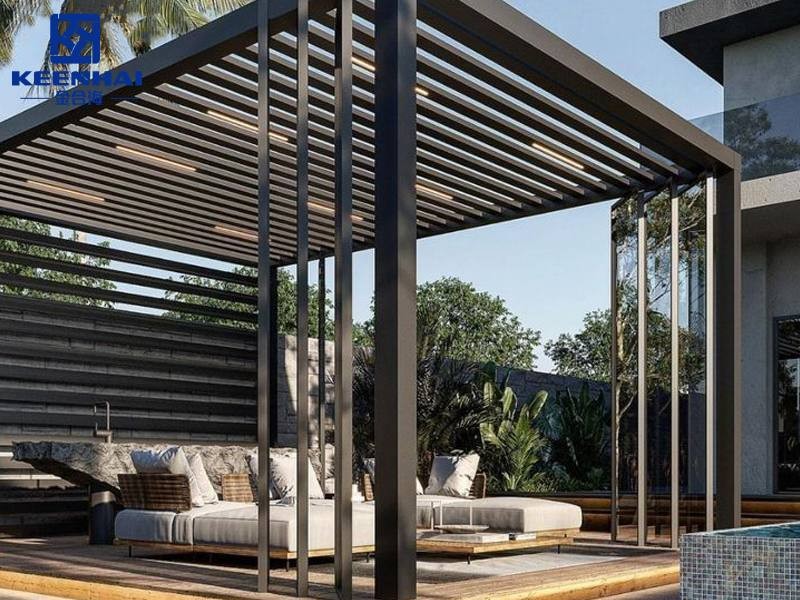
Accurately estimating the total cost of a motorized pergola requires combining material, labor, and accessory expenses while factoring in potential contingencies. Homeowners often underestimate wiring, mounting brackets, and smart integration costs. A louvered pergola offers adjustable shade for patios, which can slightly increase upfront costs but adds long-term value. Budgeting carefully allows you to avoid surprises, plan for premium materials, and ensure that the installation process runs smoothly without cutting corners.
5.1 Calculating Material Costs Accurately
Material costs are the foundation of any pergola budget. Start by listing:
-
Frame materials such as aluminum, wood, or composite
-
Roof type: louvered, retractable, or solid panels
-
Hardware, fasteners, and protective coatings
-
Optional add-ons like integrated lighting, sensors, or heating
Aluminum motorized pergolas are generally more expensive than wood, but they offer superior durability and low maintenance. Creating a detailed spreadsheet with quantities and unit prices ensures an accurate material estimate and helps compare options for cost-effectiveness.
5.2 Estimating Labor and Installation Fees
Labor costs vary by region and installation complexity. To budget effectively:
-
Determine if you’ll DIY or hire professionals
-
Calculate hourly rates or flat fees for assembly and motor installation
-
Factor in additional time for electrical wiring, smart system integration, and louver alignment
-
Include potential travel or service call charges if hiring specialized installers
Automated pergola installations with motors and sensors often require certified electricians or experienced crews, so it’s crucial to get multiple quotes to avoid unexpected labor spikes. Accurate labor estimation prevents last-minute budget overruns.
5.3 Planning for Unexpected Expenses
Even with careful planning, unforeseen costs can arise, such as:
-
Correcting uneven ground or drainage issues
-
Upgrading electrical wiring for smart controls
-
Replacing damaged components or fasteners
-
Adjusting add-ons for optimal functionality
Retractable pergolas may require occasional adjustments or motor calibration, which can be part of a contingency fund. Allocating 10–15% of your total budget for unexpected expenses ensures you can handle surprises without compromising quality or features.